Different Classes of Beta-Blockers and Specific Drugs Beta-blockers that are used clinically can be divided into two classes: 1) non-selective blockers (block both 1 and 2 receptors) , or 2) relatively selective 1 blockers ("cardioselective" beta-blockers)
The enzyme prohormone convertase (encoded by the PCSK1 gene) then cleaves proglucagon into several active peptides, including GLP-1
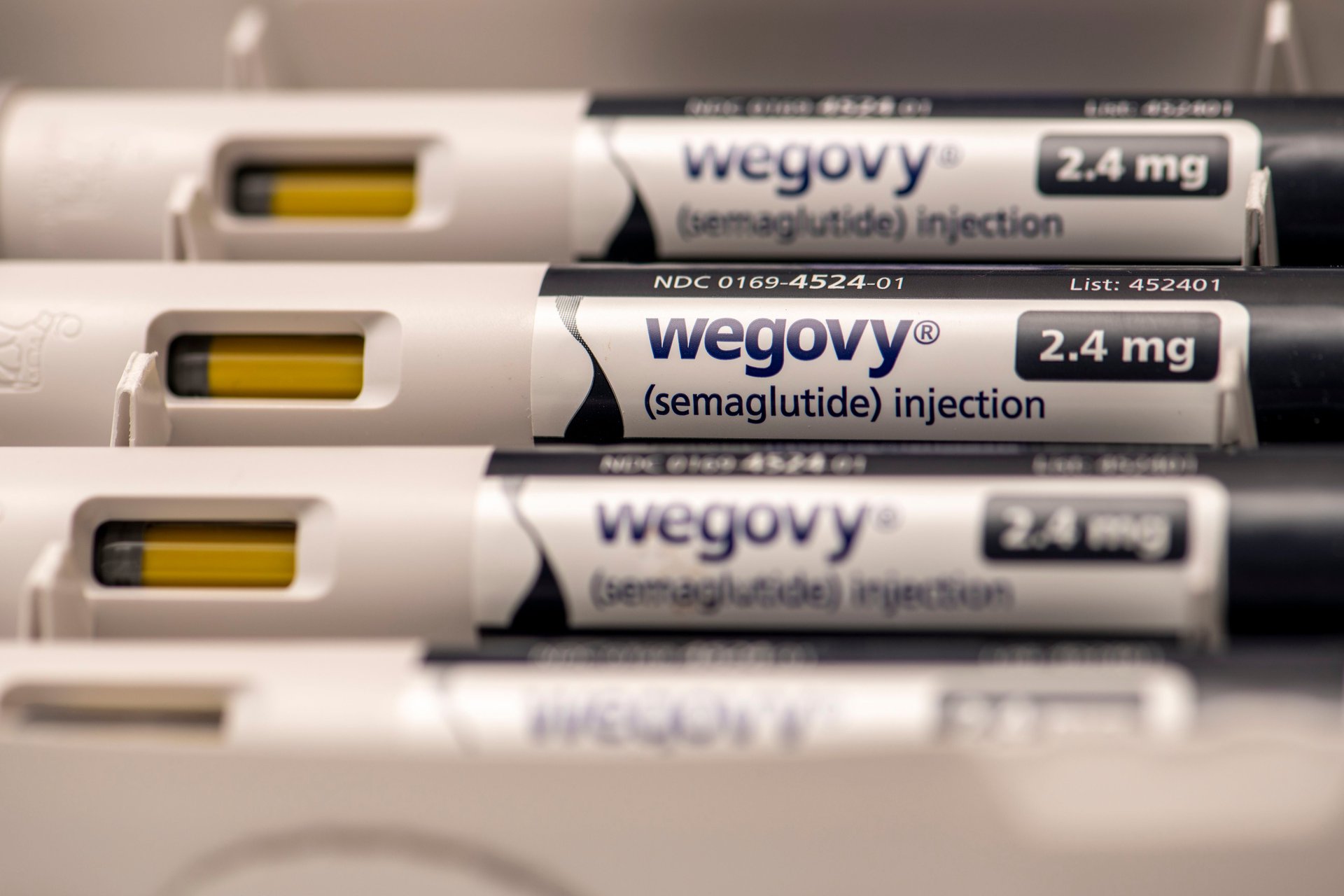
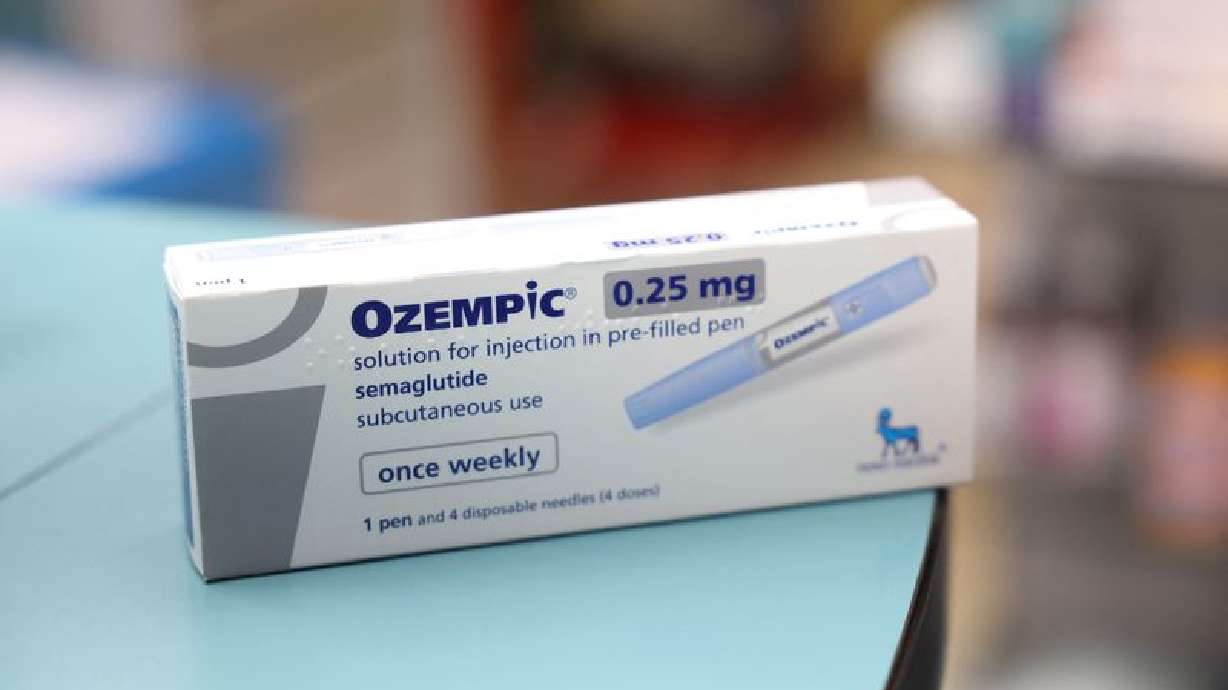
For example, based on a pen containing four once-weekly injections, a patient would only require 13 pens annually compared to 52 autoinjectors
This mechanism directly addresses the appetite dysregulation that worsens during menopause, helping restore more normal hunger cues and portion control without requiring constant willpower
Surgical treatments specifically primary and revision hip and knee arthroplasty are also increasing
Mechanism: Unknown, possibly glucagon effects on peripheral nerves or rapid weight loss 3
















:max_bytes(150000):strip_icc()/benefits-of-glutathione-89457_final-01-502464fe91b2444285b0cccf8cb0a33c.png)